
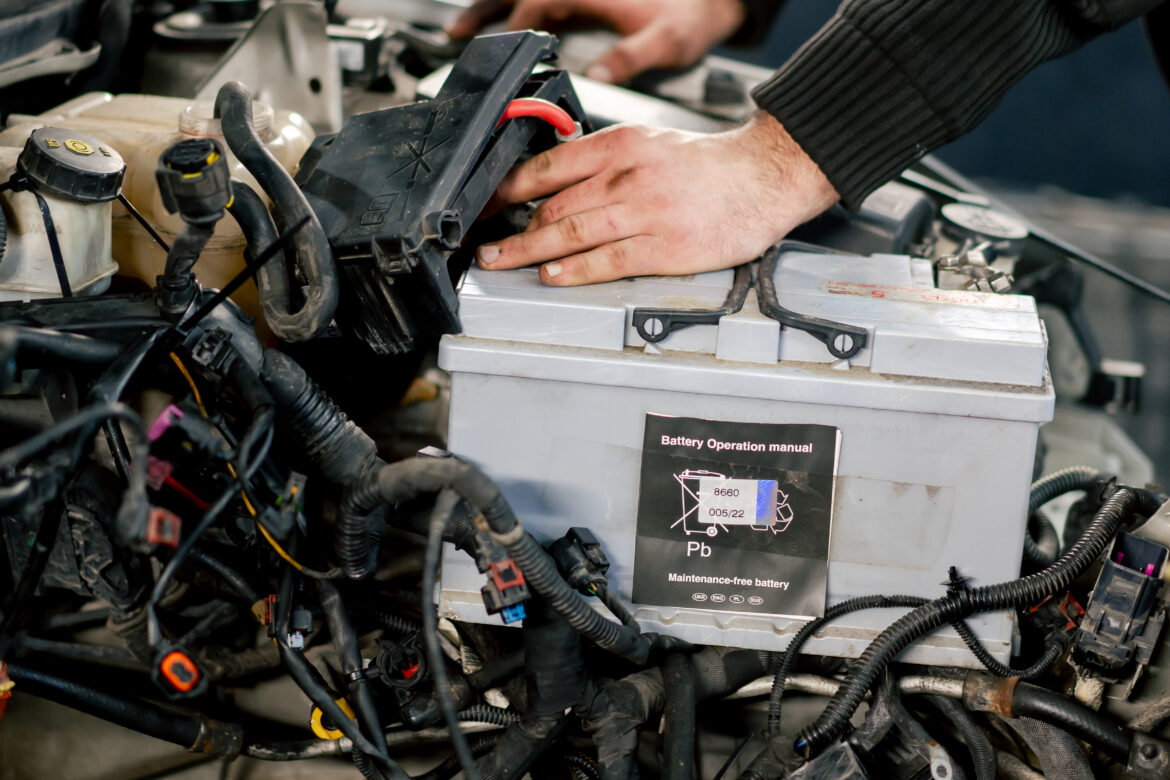
Changing a car battery is a simple yet essential task that every car owner should be familiar with. Whether your battery is dead or simply aging, replacing it on time can prevent being stranded and keep your vehicle running smoothly. Here’s a step-by-step guide on how to properly change a car battery.
1. Safety First
Before you begin, make sure you have the necessary tools:
- A new battery (make sure it matches your vehicle’s specifications)
- Adjustable wrench or socket set
- Battery cleaning brush or terminal cleaner
- Gloves and safety glasses
Turn off your car completely and remove the keys from the ignition. Park on a flat surface and engage the parking brake. If you’re working in a garage, ensure it’s well-ventilated.
2. Locate the Battery
Open the hood and locate the battery. Most car batteries are situated near the front of the engine bay, although in some vehicles they may be in the trunk or under a seat. Check your owner’s manual if you’re unsure.
3. Disconnect the Cables
Always remove the negative cable (black) first to prevent electrical short circuits. Use your wrench to loosen the nut on the negative terminal and gently twist and pull it off. Then, do the same with the positive cable (red).
Pro tip: Keep the cables from touching any metal or each other during this process.
4. Remove the Battery
Remove any bracket or securing strap holding the battery in place. Carefully lift the battery out of the tray. Car batteries are heavy—up to 40 pounds—so use both hands and lift with your legs to avoid injury.
5. Clean the Terminals
With the battery removed, use a wire brush or terminal cleaner to scrub any corrosion off the cable terminals and the battery tray. You can also apply a small amount of baking soda mixed with water to neutralize acid residue.
6. Install the New Battery
Place the new battery in the tray, ensuring the terminals are in the same orientation as the old one (positive to positive, negative to negative). Secure the battery with the hold-down bracket.
7. Reconnect the Cables
Attach the positive cable (red) first, tightening it securely with your wrench. Then attach the negative cable (black). Make sure both connections are snug and free of movement.
8. Test Your Work
Start the engine to confirm the battery is working correctly. If everything is connected properly, your car should start right up. Reset your radio presets and clock if needed.
9. Dispose of the Old Battery Responsibly
Car batteries contain hazardous materials and should be recycled properly. Most auto parts stores will accept your old battery for recycling, often offering a core credit or discount on your new one.
Conclusion
Changing a car battery is a manageable DIY task that can save time and money. By following these steps carefully, you’ll keep your vehicle dependable and ready to go. If at any point you’re unsure, don’t hesitate to ask a professional for help.